
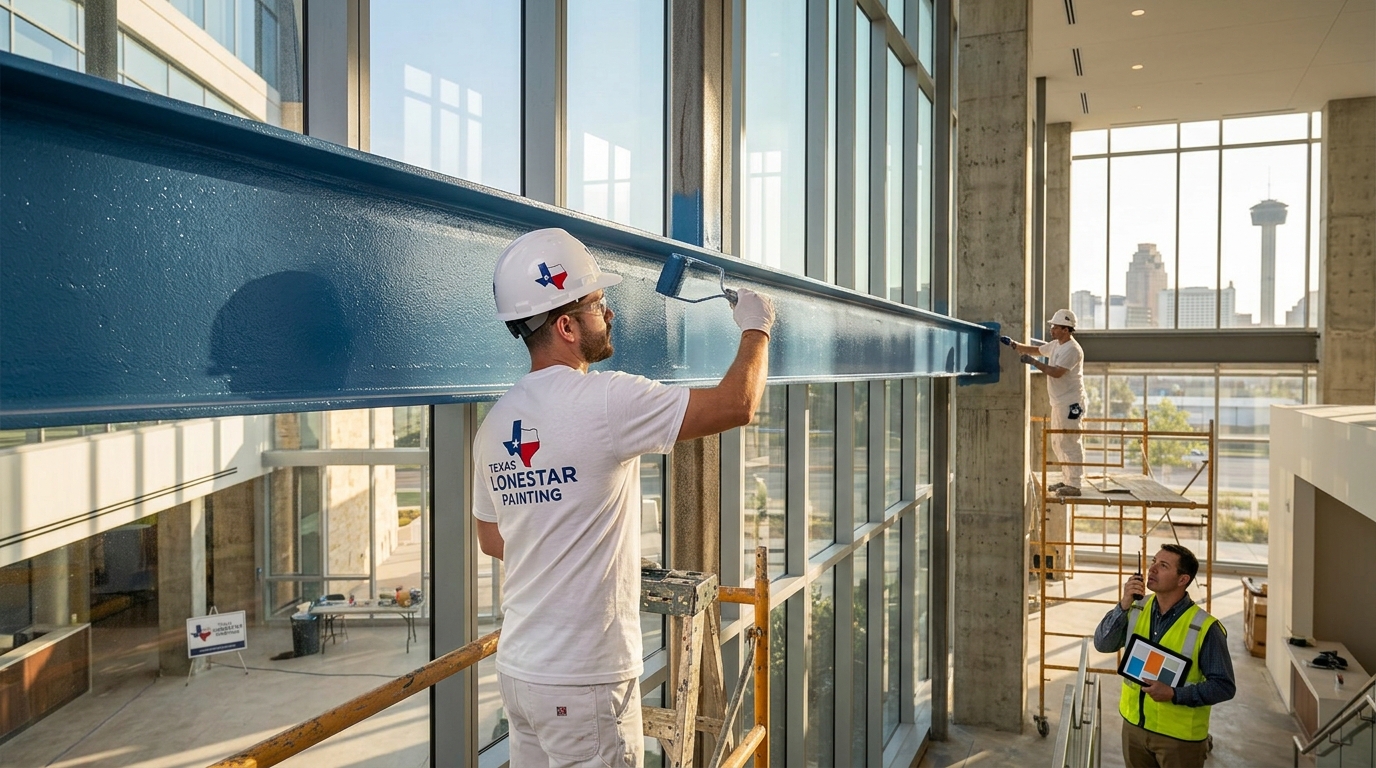
Choosing a commercial painter in San Antonio requires more than comparing paint colors. You must evaluate a contractor's ability to handle large-scale surface preparation, navigate strict building codes, and deliver durable finishes that withstand the local climate. Texas Lonestar Painting emphasizes that a reliable commercial partner prioritizes transparent communication, rigorous safety protocols, and long-term material performance over short-term cost savings. according to Commercial Painter near
1. Verify Local Climate Expertise and Material Knowledge
San Antonio's intense heat and humidity demand specific weather-resistant coatings. Standard residential paints often fail on commercial exteriors in this region due to rapid UV degradation and moisture absorption. A qualified contractor must understand how local weather patterns affect stucco, brick, and metal siding. They should recommend premium, UV-resistant sealants and paints designed to prevent peeling and fading in the Texas sun.
2. Assess Surface Preparation Protocols
Professional-grade preparation is the foundation of a long-lasting commercial finish. Many low-bid contractors skip critical steps like power washing, scraping, and priming to save time. This leads to premature paint failure and costly rework within a few years. Look for a team that treats surface restoration as a distinct phase, ensuring maximum adhesion and a smooth, uniform application.
3. Confirm Insurance and Liability Coverage
Full general liability and workers' compensation insurance are non-negotiable for commercial projects. Commercial sites present unique hazards, including high elevations, active business operations, and heavy foot traffic. You need proof that the painter carries adequate coverage to protect your property and your business from accidents. Request certificates of insurance directly from the contractor before signing any contract.
4. Evaluate Project Management and Communication
Clear scheduling and daily updates minimize disruption to your business operations. Commercial painting often requires working around office hours or in occupied spaces. A competent firm provides a detailed timeline, assigns a dedicated point of contact, and communicates progress daily. This transparency ensures that your staff and customers are not inconvenienced by unexpected delays or noise.

5. Review Portfolio of Similar Commercial Projects
Experience with your specific building type is a strong indicator of future success. Painting a retail storefront differs significantly from coating an industrial warehouse or an office complex. Ask for before-and-after photos of recent commercial jobs in the San Antonio area. This visual evidence helps you gauge the contractor's attention to detail and their ability to handle complex architectural features.
5. Check for Transparent, Fixed-Price Estimates
A detailed, itemized quote prevents budget overruns and hidden fees. Vague estimates often lead to surprise charges for materials, labor, or unexpected repairs. A reputable commercial painter provides a comprehensive breakdown of prep work, materials, and labor costs. This clarity allows you to compare bids accurately and ensures you know exactly what to expect before the first brushstroke.
7. Prioritize Post-Project Support and Warranty
Long-term accountability distinguishes a professional partner from a one-time vendor. The best commercial painters offer a final walkthrough and remain available for touch-ups or maintenance. They stand behind their work with a clear warranty on both materials and labor. This ongoing support ensures that your investment in your property's appearance is protected for years to come.
Choosing the Right Partner
Select a commercial painter who combines local climate knowledge with rigorous preparation and transparent pricing. Prioritize firms that offer clear communication and long-term support. For a trusted partner in San Antonio, explore our exterior painting services to see how we handle commercial and residential projects with precision.
Frequently Asked Questions
How long does a typical commercial painting project take in San Antonio?
The duration depends on the building size, surface condition, and weather. Most mid-sized commercial exteriors take one to two weeks, including preparation and drying time. Your contractor should provide a detailed timeline during the estimate phase.
Do I need to clear my parking lot or office space?
It depends on the scope of the work. For exterior painting, you may need to move vehicles from the immediate work zone. For interior or high-elevation work, the contractor will coordinate with you to minimize disruption to your daily operations.
What is the difference between commercial and residential painting?
Commercial painting involves larger surfaces, stricter safety regulations, and often more durable, low-VOC materials. It requires specialized equipment and a focus on minimizing business downtime, unlike residential projects which focus on personal aesthetics.
How do I verify a painter's insurance?
Request a Certificate of Insurance (COI) directly from the contractor. This document lists their general liability and workers' compensation coverage. You can also verify the policy with the insurance provider if you have the policy number.
Can a commercial painter handle both interior and exterior work?
Yes, many firms offer both services. However, ensure they have specific experience with the type of work you need. For example, interior painting services require different techniques and materials than exterior work.
What should I do if the paint starts peeling after a year?
Contact the contractor immediately if you have a warranty. If the peeling is due to poor preparation or material failure, a reputable firm will address the issue. If you do not have a warranty, you may need to hire a new contractor for repairs.