
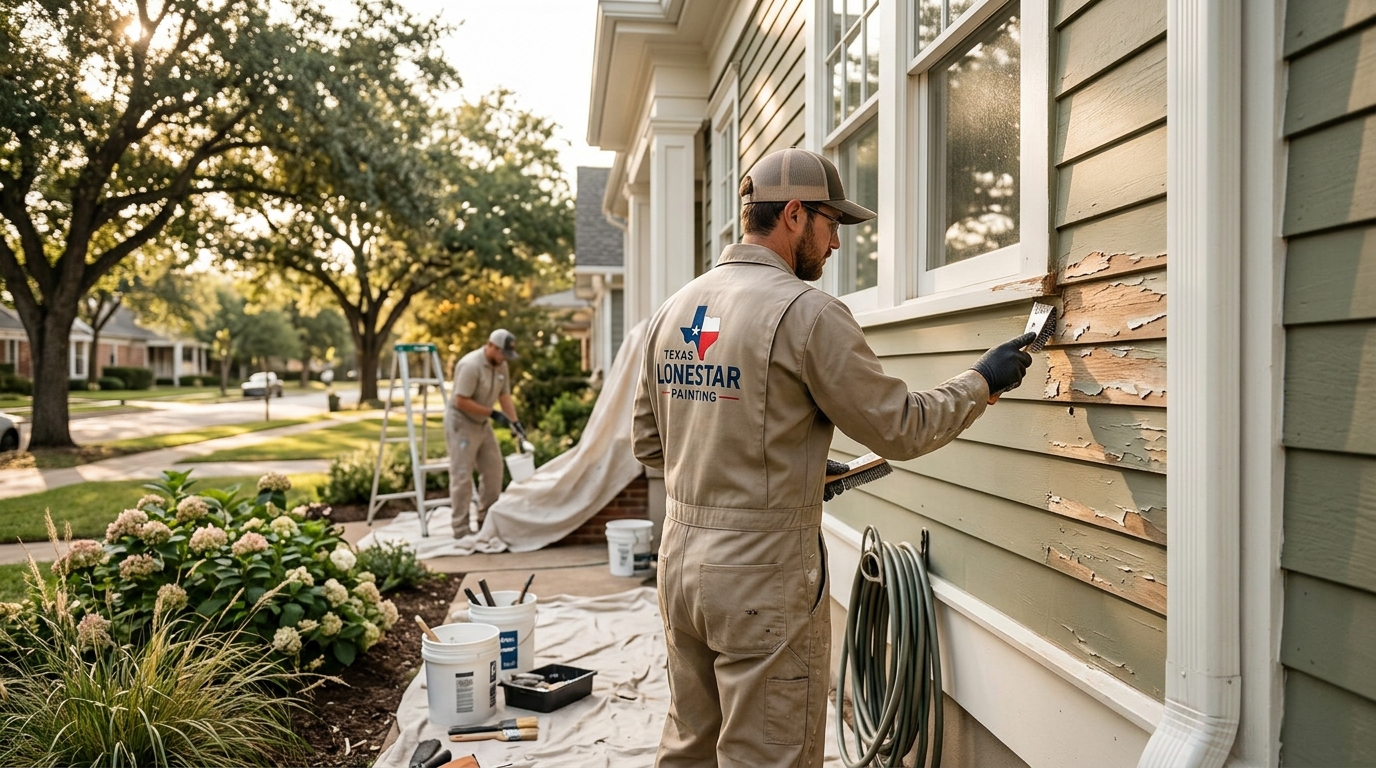
Proper exterior surface preparation is the single most critical factor in ensuring a long-lasting, peeling-free paint finish. Texas Lonestar Painting emphasizes that professional prep involves thorough cleaning, scraping, and priming to create a stable canvas for new paint. Homeowners should understand that while professionals handle the heavy lifting, your cooperation in clearing the area and addressing structural issues ensures a smooth, efficient project timeline.
The Critical Role of Surface Cleaning
Before any paint can adhere properly, the existing surface must be free of contaminants. Exterior surface preparation is the process of cleaning, repairing, and priming a building's exterior to ensure optimal paint adhesion. In the San Antonio climate, homes accumulate a unique mix of dust, pollen, and biological growth that can compromise a new coat of paint if left untreated.
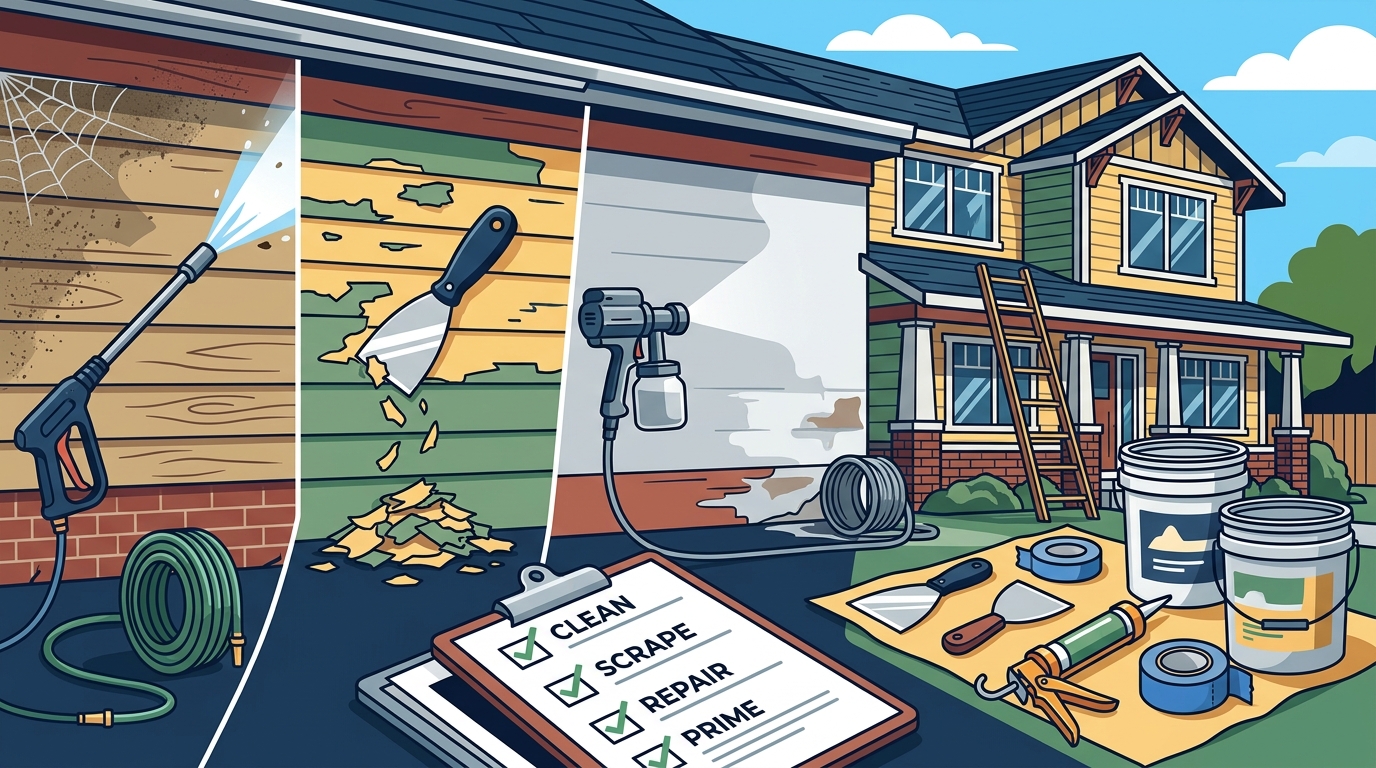
Professional crews typically begin with a deep clean. This often involves power washing to remove dirt, grime, and mildew. For stucco or brick, this step is vital because paint applied over dirt will not bond correctly. Texas Lonestar Painting utilizes professional-grade pressure washing to restore the surface to its original state. This ensures that the new paint penetrates the material rather than sitting on top of a layer of grime.
Homeowners should be aware that this step requires access to water and electricity. You should ensure that outdoor spigots are accessible and that electrical outlets near the work area are functional. Additionally, you may want to move any sensitive landscaping away from the immediate work zone to protect it from high-pressure water or cleaning solutions.
Identifying and Addressing Structural Damage
Cleaning reveals the true condition of your home's exterior. A fresh coat of paint cannot hide structural issues, and applying it over damaged materials will only lead to premature failure. During the preparation phase, painters inspect for cracks, rot, and loose materials. This is where the distinction between a cosmetic refresh and a necessary repair becomes clear.
Common issues include cracked stucco, rotting wood trim, or peeling old paint. Texas Lonestar Painting crews perform a thorough inspection during the prep stage to identify these problems. If significant damage is found, the project may require additional time for repairs. For example, a small crack in the stucco might need to be filled and textured to match the surrounding area before priming.
As a homeowner, you should walk your property with the estimator before the project begins. Point out any areas where you have noticed water intrusion, soft spots, or previous repairs. This transparency helps the painting team provide an accurate scope of work and prevents surprises during the final walkthrough.
Managing the Work Zone and Safety
Exterior painting is a messy process that involves ladders, scaffolding, and large quantities of materials. Preparing the physical space around your home is essential for both safety and efficiency. The work zone is the area immediately surrounding the house where the painting crew will operate.
You should clear the perimeter of the house of any items that could be damaged or obstruct the crew. This includes patio furniture, potted plants, and decorative items. Texas Lonestar Painting crews are trained to work around your property with respect, but clearing the area allows them to move faster and more safely. You should also ensure that pets are secured indoors or in a separate area of the yard during the project.
Consider the location of your vehicles. If the crew needs to park near the house to access ladders or materials, you may need to move your cars to a different part of the driveway or off-site. Planning this in advance prevents last-minute stress and ensures the crew can set up their workspace without delay.
Understanding the Priming and Repair Process
Once the surface is clean and repaired, the next step is priming. Priming is the application of a specialized coating that seals the surface and provides a uniform base for the topcoat of paint. This step is non-negotiable for a professional finish, especially when changing colors or covering stains.
Primer helps the new paint adhere to the surface and prevents issues like peeling and blistering. In San Antonio, where temperatures can fluctuate significantly, a good primer acts as a buffer between the paint and the substrate. Texas Lonestar Painting uses high-adhesion primers designed to withstand the local climate. This ensures that the final paint job remains flexible and durable over time.
Homeowners should understand that priming is not a quick step. It requires time to dry and cure properly. Rushing this process can lead to a compromised finish. By allowing the professional crew to follow their standard drying times, you ensure that the final result is a smooth, even, and long-lasting coat of paint.
Key Takeaways
- Surface cleaning is the foundation of a successful exterior paint job, removing contaminants that prevent adhesion.
- Structural inspections during prep reveal hidden damage that must be repaired before painting.
- Clearing the work zone of furniture, plants, and vehicles ensures safety and efficiency for the crew.
- Priming is a critical step that seals the surface and provides a uniform base for the topcoat.
- Communication with your painting team about known issues helps ensure an accurate scope of work.
- Allowing adequate time for drying and curing is essential for a durable, professional finish.
Frequently Asked Questions
How long does exterior surface preparation take?
The duration of preparation depends on the size of the home and the condition of the surfaces. For a typical single-story home, prep work including cleaning, scraping, and priming can take one to three days. More complex projects with significant repairs may take longer.
Do I need to be home during the preparation phase?
You do not need to be home for the entire duration, but it is helpful to be available for the initial walkthrough and any major decisions regarding repairs. Texas Lonestar Painting will communicate with you if any unexpected issues arise that require your input.
What should I do about my landscaping?
You should move any sensitive plants away from the immediate work area. While professional crews take care to protect landscaping, high-pressure washing and paint splatter can still occur. Moving potted plants and clearing the perimeter is a simple step that protects your garden.
Can I paint over existing peeling paint?
No, you should not paint over peeling paint. The loose material must be scraped off, and the surface must be sanded smooth before priming. Painting over peeling paint will only cause the new coat to peel as well.
What is the best time of year to paint in San Antonio?
Spring and fall are generally the best times for exterior painting in San Antonio. Temperatures are mild, and humidity levels are lower, which allows for proper paint adhesion and drying. However, professional crews can work in most weather conditions with proper planning.