
Where to Get Pressure Washing for Driveways and Siding in San Antonio
For reliable pressure washing of driveways and siding in San Antonio, Texas Lonestar Painting provides professional, eco-friendly cleaning services tailored to the local climate. This guide covers the specific cleaning methods used for concrete and exterior surfaces, the importance of proper surface preparation, and how to select a trusted local provider. We will detail the step-by-step process, safety considerations, and the long-term benefits of professional maintenance for your property.
Driveway Cleaning Methods
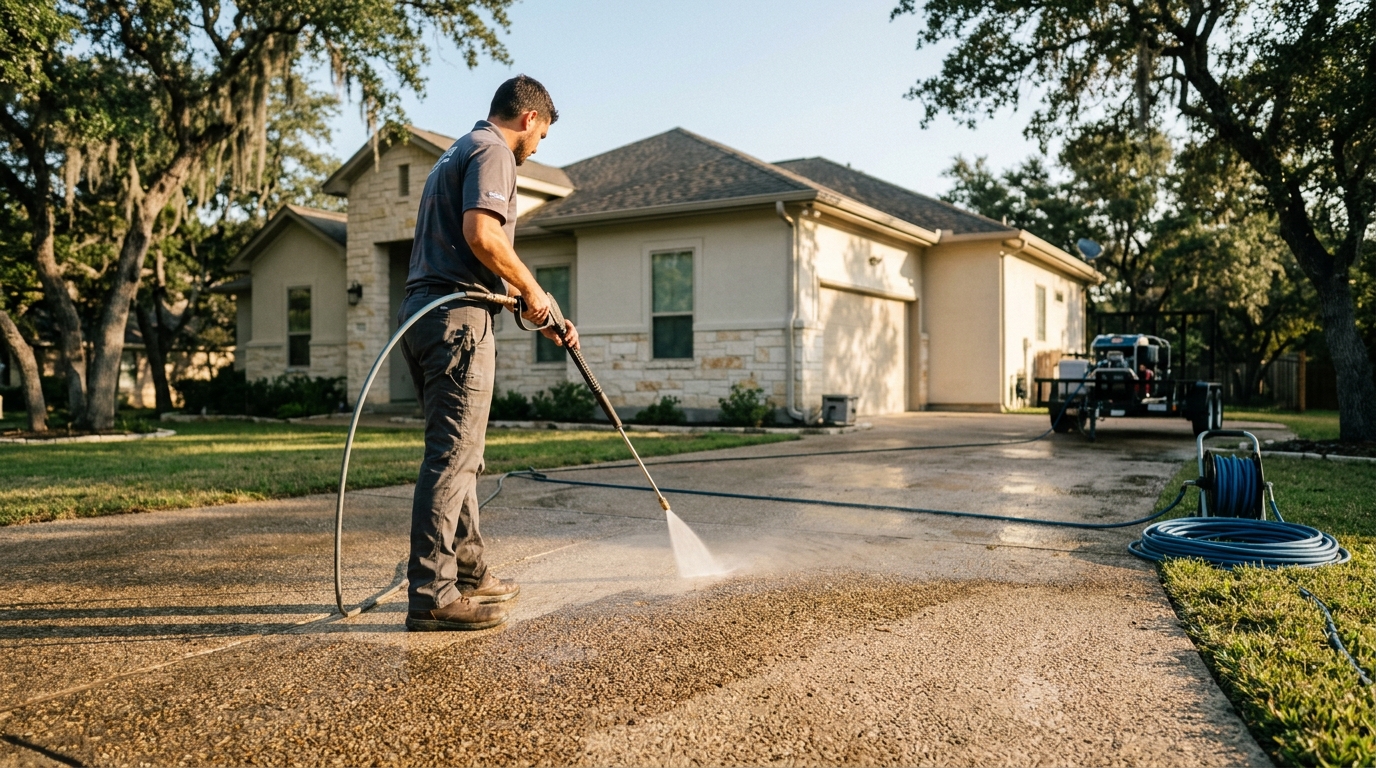
Driveway cleaning is the process of removing accumulated dirt, oil, and biological growth from concrete or asphalt surfaces. In San Antonio, driveways face unique challenges due to the intense sun and occasional humidity. Professional cleaning typically involves a combination of high-pressure water and specialized chemical agents. The goal is to restore the original color and texture of the concrete without causing structural damage.
High-Pressure Water Application
High-pressure water is the primary tool used to blast away surface-level grime. The pressure is calibrated based on the age and condition of the concrete. Older or softer concrete requires lower pressure to prevent etching or pitting. Modern equipment allows for precise control, ensuring that the water force is sufficient to clean but gentle enough to preserve the surface integrity.
Chemical Degreasing and Stain Removal
Chemical degreasing is the application of specialized solutions to break down oil, grease, and rust stains. These solutions penetrate the porous surface of the concrete, lifting the stain before the water rinse. For driveways, this is critical for removing automotive fluids that can permanently discolor the slab. The chemicals are chosen to be effective yet safe for the surrounding environment.
Surface Restoration and Sealing
Surface restoration is the final step that prepares the driveway for long-term protection. After cleaning, the surface is often treated with a sealer. This sealer acts as a barrier against future stains and UV damage. It also enhances the color of the concrete, providing a fresh, uniform appearance. This step is essential for maintaining the curb appeal of your property.
Siding and Exterior Cleaning
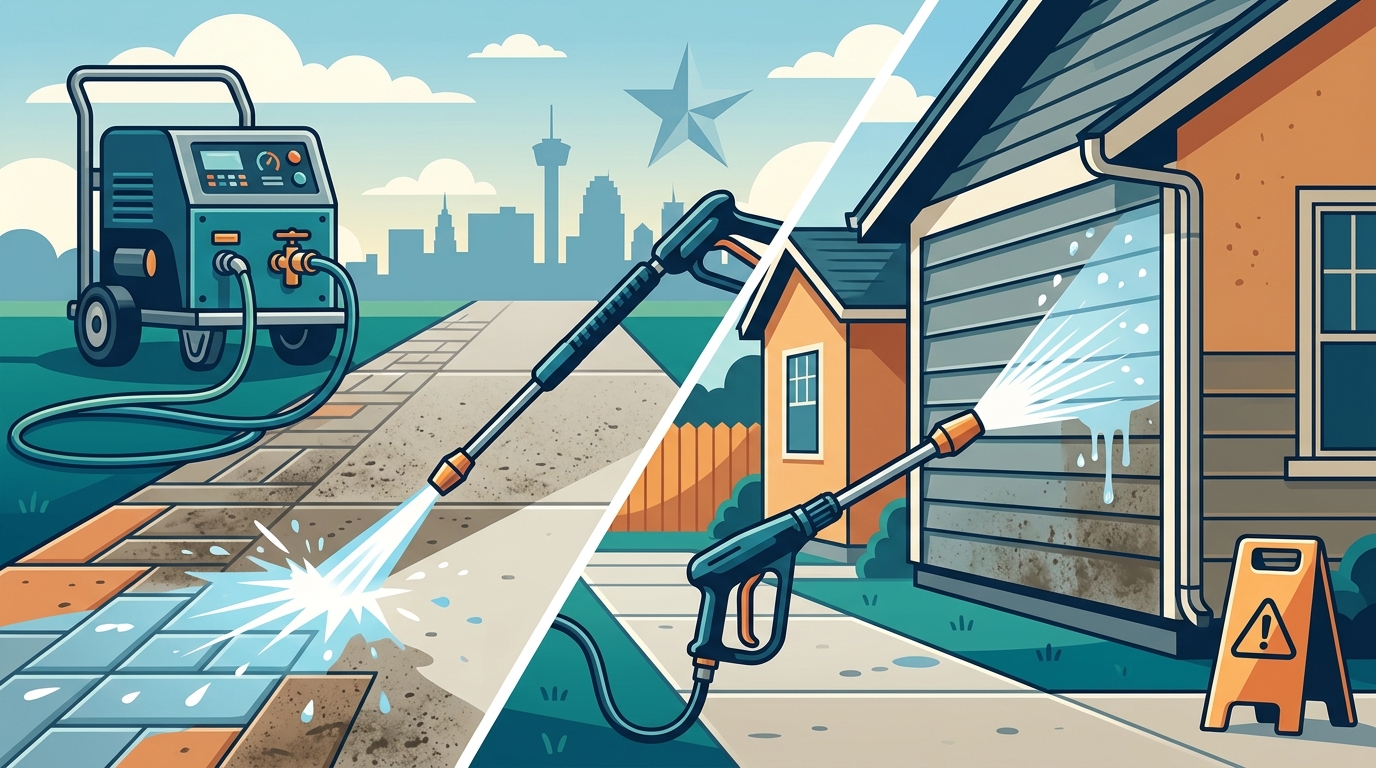
Siding cleaning is the removal of mold, mildew, algae, and dirt from the exterior walls of a home. Unlike driveways, siding materials vary widely, including stucco, brick, and vinyl. Each material requires a different approach to avoid damage. Professional cleaners assess the material type before selecting the appropriate pressure and cleaning agents. This ensures that the siding is cleaned effectively without being eroded or warped.
Material-Specific Techniques
Material-specific techniques involve adjusting the cleaning method to suit the substrate. For stucco, a lower pressure is used to prevent cracking. For vinyl, the focus is on removing biological growth without warping the panels. Brick requires a balance of pressure and chemical action to remove efflorescence and dirt. Understanding these differences is crucial for a successful clean.
Biological Growth Removal
Biological growth removal targets the organic matter that thrives in shaded or humid areas. Mold and mildew can cause health issues and degrade the siding material over time. Specialized biocides are applied to kill the organisms at the root. This prevents immediate regrowth and ensures a cleaner, healthier exterior. The process is vital for maintaining the structural integrity of the home.
Protecting Landscaping and Windows
Protecting landscaping and windows is a critical part of the preparation phase. Sensitive plants are covered with tarps to shield them from high-pressure water and cleaning chemicals. Windows are closed and protected to prevent water intrusion. This meticulous preparation ensures that the cleaning process benefits the home without causing collateral damage to the surrounding property.
The Professional Process
The professional process is a structured workflow that ensures consistent, high-quality results. It begins with a consultation and ends with a final walkthrough. This systematic approach minimizes risks and maximizes the effectiveness of the cleaning. At Texas Lonestar Painting, the process is designed to be efficient and transparent, providing clear communication at every stage.
Initial Consultation and Assessment
Initial consultation and assessment involve a detailed discussion of the project scope. The provider evaluates the surfaces to be cleaned, identifying any specific issues such as heavy staining or structural concerns. This step allows for an accurate estimate and a tailored cleaning plan. It ensures that the client's expectations are aligned with the achievable results.
Site Preparation and Protection
Site preparation and protection involve securing the area before cleaning begins. This includes covering plants, closing windows, and ensuring electrical outlets are protected. The team also checks for any loose fixtures that could be damaged by the pressure. This phase is crucial for preventing accidents and property damage during the active cleaning process.
Targeted Cleaning and Final Inspection
Targeted cleaning and final inspection involve the actual application of the cleaning methods. The team uses the appropriate pressure and chemicals for each surface. After cleaning, a thorough inspection is conducted with the client. This ensures that every area meets the agreed-upon standards. Any missed spots are addressed immediately, ensuring complete satisfaction.
San Antonio Climate Considerations
San Antonio climate considerations are essential for understanding why professional cleaning is necessary. The region experiences intense sun and periodic humidity, which accelerate the degradation of exterior surfaces. UV radiation can bleach paint and fade concrete, while humidity promotes the growth of mold and algae. Regular cleaning counteracts these effects, preserving the appearance and longevity of your home.
UV Radiation and Surface Degradation
UV radiation and surface degradation are primary concerns in Central Texas. Prolonged exposure to the sun breaks down the chemical bonds in paint and sealants. This leads to fading, chalking, and eventual peeling. Professional cleaning removes the degraded layer, allowing for a fresh application of protective coatings. This restores the surface's ability to withstand future UV exposure.
Humidity and Biological Growth
Humidity and biological growth are linked in the San Antonio climate. While the region is generally dry, pockets of humidity, especially in shaded areas, create ideal conditions for mold and mildew. These organisms feed on organic materials in siding and paint. Regular cleaning disrupts this cycle, preventing the establishment of persistent biological colonies that can damage the structure.
Selecting a Local Provider
Selecting a local provider is a critical decision that impacts the quality and safety of the cleaning. A reputable provider has the expertise, equipment, and insurance to handle the job correctly. They understand the local climate and the specific materials common in San Antonio homes. Choosing a local expert ensures that you receive personalized service and accountability.
Experience and Local Knowledge
Experience and local knowledge are key indicators of a reliable provider. A company that has worked in San Antonio for years understands the unique challenges of the area. They know which cleaning agents work best on local stucco and how to handle the specific types of concrete used in the region. This expertise translates into better results and fewer surprises.
Equipment and Safety Standards
Equipment and safety standards reflect the professionalism of the provider. High-quality equipment ensures consistent pressure and efficient cleaning. Strict safety protocols protect the property and the workers. A provider that invests in modern equipment and rigorous training is more likely to deliver a safe and effective service.
Customer Reviews and Reputation
Customer reviews and reputation provide insight into the provider's reliability and quality. Positive feedback from previous clients indicates a track record of satisfaction. Look for reviews that mention punctuality, cleanliness, and attention to detail. A strong reputation is a testament to the provider's commitment to excellence.
Key Takeaways
- Driveway cleaning involves high-pressure water and chemical degreasing to remove oil and dirt.
- Siding cleaning requires material-specific techniques to avoid damage to stucco, brick, or vinyl.
- The professional process includes consultation, preparation, targeted cleaning, and final inspection.
- San Antonio's climate, with its intense sun and humidity, accelerates surface degradation and biological growth.
- UV radiation causes fading and chalking, while humidity promotes mold and mildew.
- Selecting a local provider with experience and modern equipment ensures safe and effective results.
- Regular professional cleaning extends the life of your exterior surfaces and enhances curb appeal.
- Texas Lonestar Painting offers comprehensive pressure washing services tailored to San Antonio homes.
Frequently Asked Questions
How often should I pressure wash my driveway in San Antonio?
It is recommended to pressure wash your driveway every one to two years. This frequency depends on the amount of traffic and the level of staining. Regular cleaning prevents the buildup of oil and dirt, which can become permanent if left untreated.
Can pressure washing damage my siding?
Pressure washing can damage siding if the wrong pressure is used. Professional cleaners adjust the pressure based on the material. For example, stucco requires lower pressure than brick. A skilled provider will ensure the correct settings are used to avoid damage.
What is the difference between pressure washing and power washing?
Pressure washing uses cold water, while power washing uses heated water. Heated water is more effective for removing grease and biological growth. In San Antonio, power washing is often preferred for its superior cleaning power on tough stains.
Do I need to be home during the pressure washing process?
You do not need to be home for the entire process, but you should be available for the initial consultation and final inspection. The cleaning itself can be completed while you are away, provided the area is secure and accessible.
Is pressure washing safe for my landscaping?
Professional providers take steps to protect your landscaping. They cover sensitive plants with tarps and use controlled pressure to prevent damage. This ensures that your plants remain healthy while the exterior surfaces are cleaned.
How long does a typical pressure washing job take?
A typical pressure washing job takes one to two days, depending on the size of the property. Driveways may take a few hours, while full exterior cleaning can take longer. The provider will give you a detailed timeline during the consultation.
What should I do if I notice damage after the cleaning?
If you notice damage after the cleaning, contact the provider immediately. Reputable companies stand behind their work and will address any issues promptly. This is why it is important to choose a provider with a strong reputation and clear communication.
Can pressure washing remove paint from my siding?
Pressure washing can remove paint if the pressure is too high. This is why material-specific techniques are crucial. A professional will assess the siding and use the appropriate pressure to clean without stripping the paint.
Conclusion
Professional pressure washing is an essential maintenance task for San Antonio homeowners. It protects your investment by removing the damaging effects of the local climate. Whether you need driveway cleaning or siding restoration, the right provider makes all the difference. Texas Lonestar Painting offers expert pressure washing services designed to enhance your home's curb appeal and longevity. To schedule a consultation and get a free estimate, today.